

Do Custom Graphic Tees Shrink? What to Expect
Last Updated: November 12, 2026
Quick Summary
Yes, graphic tees shrink, but how much depends almost entirely on the fabric. A 100% cotton tee may lose a little length and width after the first few hot washes, while a polyester or cotton-polyester blend barely moves at all. Cold water and air-drying keep a printed tee closest to its original fit.
- 100% cotton shrinks the most, especially on the first wash, while 100% polyester barely shrinks at all.
- Cold water is the single easiest way to prevent shrinking, and air-drying is the safest option.
- Turn the tee inside out, wash cold on a gentle cycle, and skip fabric softener.
- Measure chest, body length and sleeve length before shrinking, and stop at the first fit that works.
- Skip intentional shrinking on vintage or fragile prints, puff inks and specialty transfers.
Table of Contents
- Do Custom Graphic Tees Shrink? The Short Answer
- How Fabric Composition Decides Whether Your Tee Shrinks
- How Much Does a 100% Cotton Shirt Shrink?
- Wash Temperature, Dryer Heat, and Shrinkage
- How to Wash Graphic Tees So They Keep Their Fit
- Will Shrinking a Shirt Ruin the Design?
- How to Shrink a Shirt Without Ruining the Design
- Sizing Up or Choosing a Fit Alternative Before You Order
- Frequently Asked Questions
Do Custom Graphic Tees Shrink? The Short Answer
Yes, graphic tees shrink, but how much depends almost entirely on the fabric. A 100% cotton tee may lose a little length and width after the first few hot washes, while a polyester or cotton-polyester blend barely moves at all. Made-to-order graphic tees are a common subject of this question, since customers want their fit to stay put. The good news: you can control most of it.
How Fabric Composition Decides Whether Your Tee Shrinks
Fabric composition is the biggest factor in shirt shrinkage. Natural fibers like cotton react to heat and water by contracting, while synthetic fibers hold their shape.
Here's the quick breakdown:
- 100% cotton: shrinks the most, especially on the first wash
- Cotton-polyester blend: shrinks a little, then stabilizes
- 100% polyester: barely shrinks at all
Why does cotton move so much? Cotton fibers are spun and stretched during manufacturing. Heat and agitation make them relax back toward their natural state. That's why a hot wash and a hot dryer are the worst combo for a cotton graphic tee.
100% Cotton Tees
A 100% cotton graphic tee is the classic choice, and it's also the one most likely to shrink. Expect the most movement after the first wash, with smaller changes after that. If you love the feel of cotton, plan for a slightly snugger fit over time or wash cold.
Polyester and Cotton-Polyester Blends
Polyester and cotton-polyester blends are far more stable. The synthetic fibers resist heat and water, so the shirt keeps its shape through repeated laundering. A blend gives you some of cotton's softness with polyester's durability. If fit consistency matters most to you, a blend is the safer bet.
How Much Does a 100% Cotton Shirt Shrink?
Most 100% cotton shirts shrink a small amount after the first wash, and the exact change depends on fabric weight, finish, and wash and dry temperatures.
Vogue's guide to shrinking a shirt on purpose notes that shrinkage depends on the fabric and advises expecting no more than about one size of reduction. That's a useful ceiling to keep in mind.
What does that look like in practice?
- A tee that fits perfectly may feel slightly trimmer after the first wash
- Length often changes more than width
- Repeated hot washes compound the effect over time
So if you're between sizes, sizing up gives you room to shrink into the fit you want.
Wash Temperature, Dryer Heat, and Shrinkage
Heat is the enemy of a stable fit. Hot water and high dryer heat both drive cotton fibers to contract, so the temperature you choose matters as much as the fabric itself.
Cold water is the single easiest way to prevent shrinking. Warm water is a middle ground. Hot water accelerates shrinkage, especially on 100% cotton.
The dryer matters just as much. High heat is the fastest route to a smaller shirt. Low heat is gentler.
| Setting | Effect on Fit | Effect on Print |
|---|---|---|
| Cold wash, air-dry | Minimal shrinkage | Best protection |
| Cold wash, low heat | Slight shrinkage | Good protection |
| Warm wash, low heat | Moderate shrinkage | Some risk |
| Hot wash, high heat | Most shrinkage | High risk of cracking |
How to Wash Graphic Tees So They Keep Their Fit
Cold water and low heat are the two rules that keep a graphic tee true to size. Follow these steps and your shirt will hold its shape far longer.
- Turn the tee inside out to protect the printed design
- Wash in cold water on a gentle cycle
- Use a mild detergent and skip fabric softener
- Air-dry when you can, or tumble on low heat
- Avoid the hottest dryer setting entirely
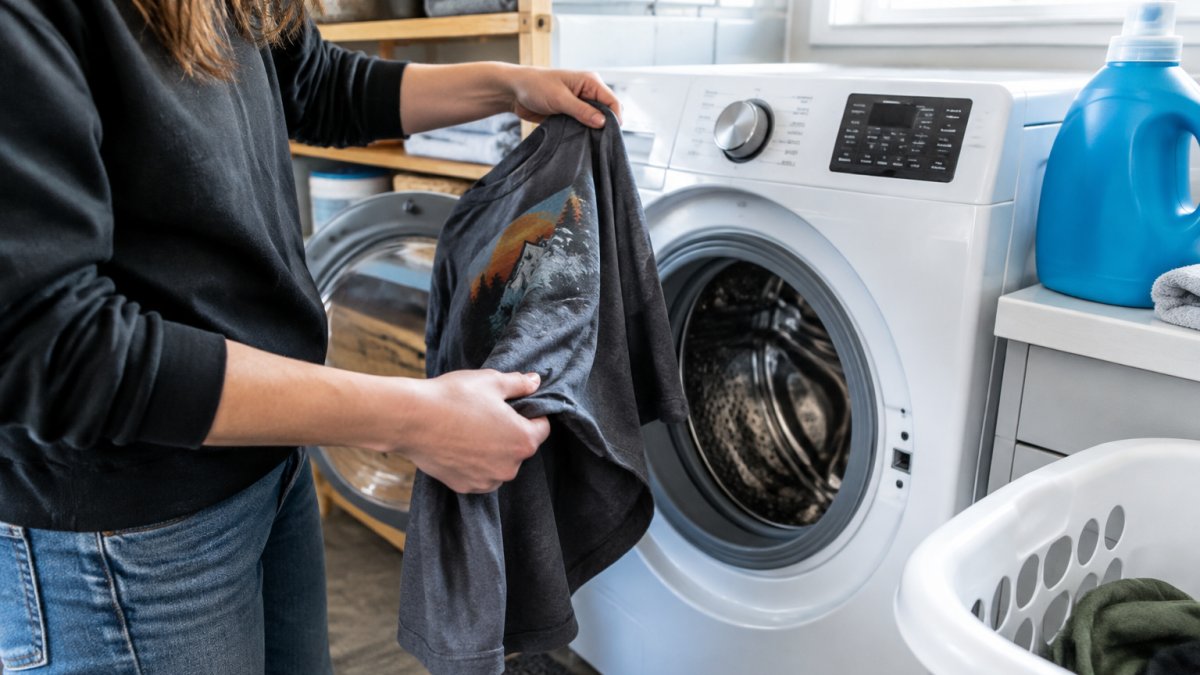
Watch out: tossing a printed tee straight into a hot dryer is the fastest way to shrink the fit and crack the design in one cycle.
Will Shrinking a Shirt Ruin the Design?
The risk to the print depends on the printing method, not just the fabric. Every decoration sits on or in the cotton, and each method handles heat and wash agitation differently. Here is how the common methods behave when a shirt shrinks.
Screen printing
Screen printing pushes plastisol or water-based ink through a mesh and cures it with heat. Plastisol sits on top of the fabric as a flexible film, so it can stretch and contract with the cotton to a point, but a thick ink layer is more likely to crack along the print edges after repeated hot washes. Water-based ink soaks into the fibers and tends to move with the shirt more gracefully. Screen-printed shirts generally tolerate a controlled warm-water shrink better than a hot-water one.
Direct-to-garment (DTG)
DTG printing sprays water-based ink directly onto the shirt and bonds it with a heat press. Because the ink is water-based and sits in the fiber, DTG prints are sensitive to wash temperature and agitation. Hot water and high dryer heat can dull the colors and cause the print to fade or crack, especially on 100% cotton. A cold or warm wash with low heat is the safer path for a DTG graphic tee.
Heat-transfer vinyl (HTV)
HTV is a plastic film cut and pressed onto the shirt with a heat press. The vinyl itself does not shrink, so when the cotton underneath contracts, the film can pucker, lift at the edges, or crack. HTV is the most heat-sensitive common method for intentional shrinking, and a hot dryer is the fastest way to peel it. If a shirt has a large HTV graphic, treat the fit as fixed.
Sublimation
Sublimation dyes the fabric rather than layering ink on top, and it is typically used on polyester or high-poly blends. Because polyester barely shrinks, sublimated shirts rarely face a shrink problem at all, and the dye moves with the fiber. The trade-off is that sublimation on a cotton shirt is not a durable combination to begin with.
What this means for your shrink decision
- Screen print, water-based: moderate tolerance for a controlled warm shrink
- Screen print, thick plastisol: watch the print edges after each cycle
- DTG: keep heat low; expect color fade before cracking
- HTV: avoid intentional shrinking; heat is the main failure mode
- Sublimation: shrinkage is rarely an issue on the polyester it is used on
Some designs are riskier than others. guidance on shrinking shirts without ruining the design advises against intentional shrinking when a design is vintage or fragile, or uses puff inks or specialty transfers.
If you want to see how a printed design holds up before you worry about shrinkage, browse a Zen Zara Ak Gal Designs character tee to judge the print quality for yourself.
How to Shrink a Shirt Without Ruining the Design
A controlled shrink is a measurement exercise, not a heat exercise. The goal is to move the fit one increment at a time and stop the moment it lands, because shrinkage is not reversible. A gradual test-and-check method helps avoid overshooting a cotton tee into a size you cannot wear.
Step 1: Measure and record the starting fit
Lay the shirt flat, smooth the wrinkles, and measure three numbers with a tape measure:
- Chest: pit to pit, straight across the front
- Body length: from the high point of the shoulder to the bottom hem
- Sleeve length: from the shoulder seam to the sleeve hem (for long sleeves)
Write the numbers down. You will compare against them after every cycle, and memory is not a measurement.
Step 2: Run a cold baseline wash
Wash the tee inside out in cold water on a gentle cycle with mild detergent. This cleans the shirt and gives you a baseline for how much it moves with no heat at all. Air-dry or tumble on low, then re-measure. Some cotton tees move slightly even here, and you need to know that before you add heat.
Step 3: Step up to warm water, one cycle at a time
Switch to a warm wash (not hot) and repeat the inside-out, gentle-cycle routine. Air-dry partially, then finish on low heat. Re-measure after the shirt is fully dry. Warm water is the first real shrinkage lever, and it is gentle enough that a single cycle rarely overshoots.
Step 4: Use hot water only as a last increment
If warm cycles have not moved the fit enough, run one hot wash cycle and check again. Hot water drives the most contraction, so treat it as a single step, not a setting you leave on. Re-measure before deciding whether to repeat.
Step 5: Stop at the first fit that works
Compare your measurements to the starting numbers after every cycle. The moment the chest and length land where you want them, stop. Further cycles will keep moving the cotton, and you cannot stretch a shrunk tee back reliably.
Watch out: skipping straight to a hot wash and high-heat dry is the fastest way to overshoot the fit and crack the print in the same cycle, and neither result can be undone.
Read the care label before you start
Follow the care label on the garment before washing. If the label says cold wash or line dry, do not run hot cycles on that shirt.
Know when not to shrink at all
Some shirts should never be intentionally shrunk. Vintage or fragile prints, puff inks, and specialty transfers have less tolerance for heat, and a shrink cycle can crack or distort them. If the print feels thick, raised, or plasticky, or if the shirt is a keepsake, treat the fit as fixed and look at a sizing exchange or a tailor instead.
Sizing Up or Choosing a Fit Alternative Before You Order
The safest fix for shrinkage is to plan for it before you buy. If you're ordering a 100% cotton tee and want a relaxed fit, sizing up gives you room to shrink into it.
Ready to pick a tee that fits right from the start? Browse a Keep Your Friends Close And Your Tackle Box Closer T Shirt to check fit and fabric, or view the He Walks On Water I Will Trust Him In Storms T Shirt to compare options. You can also explore the My Therapist Lives In My Tackle Box T Shirt or the Alaska Where Gold Is Found And Wolves Find You T Shirt if you're ready to order.
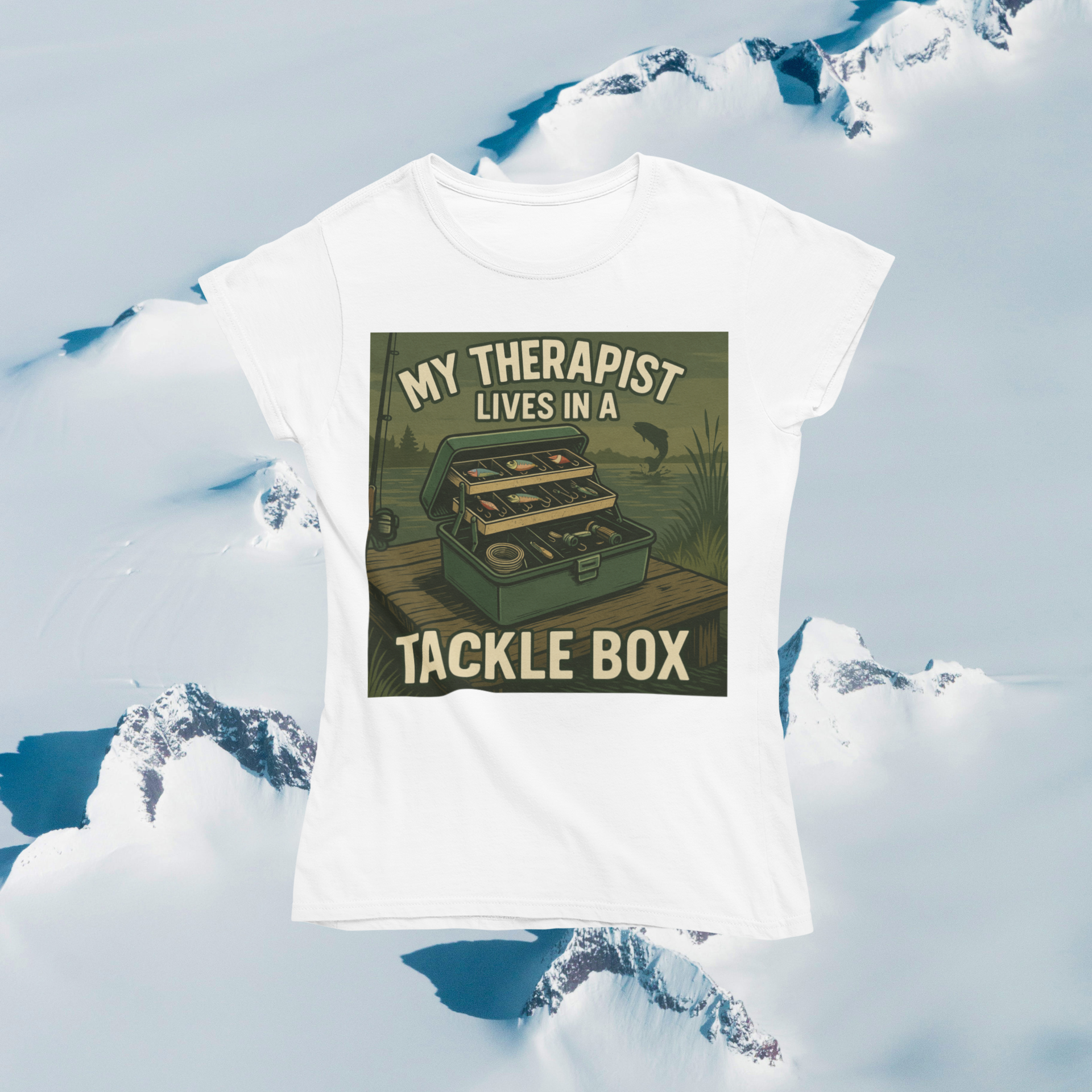
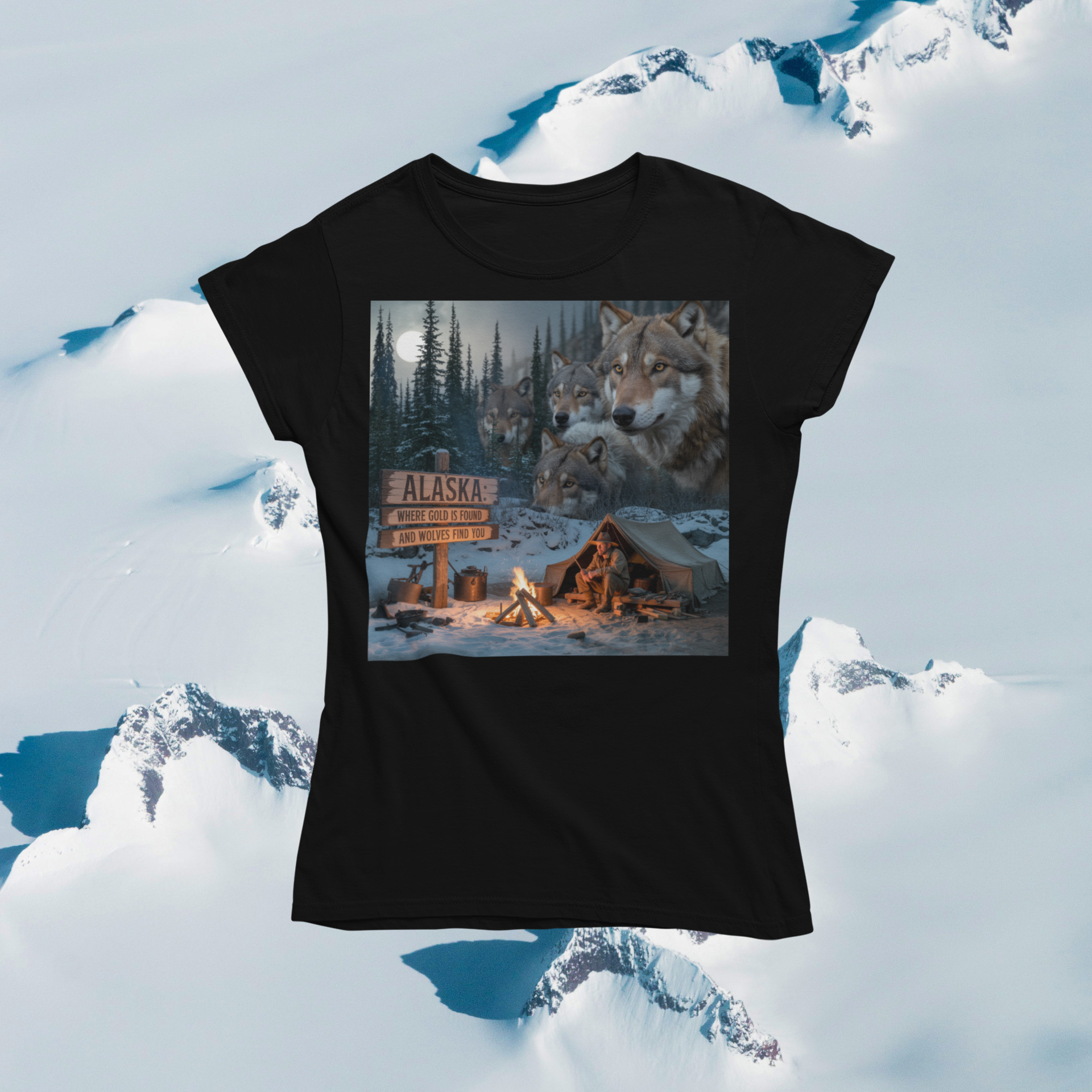
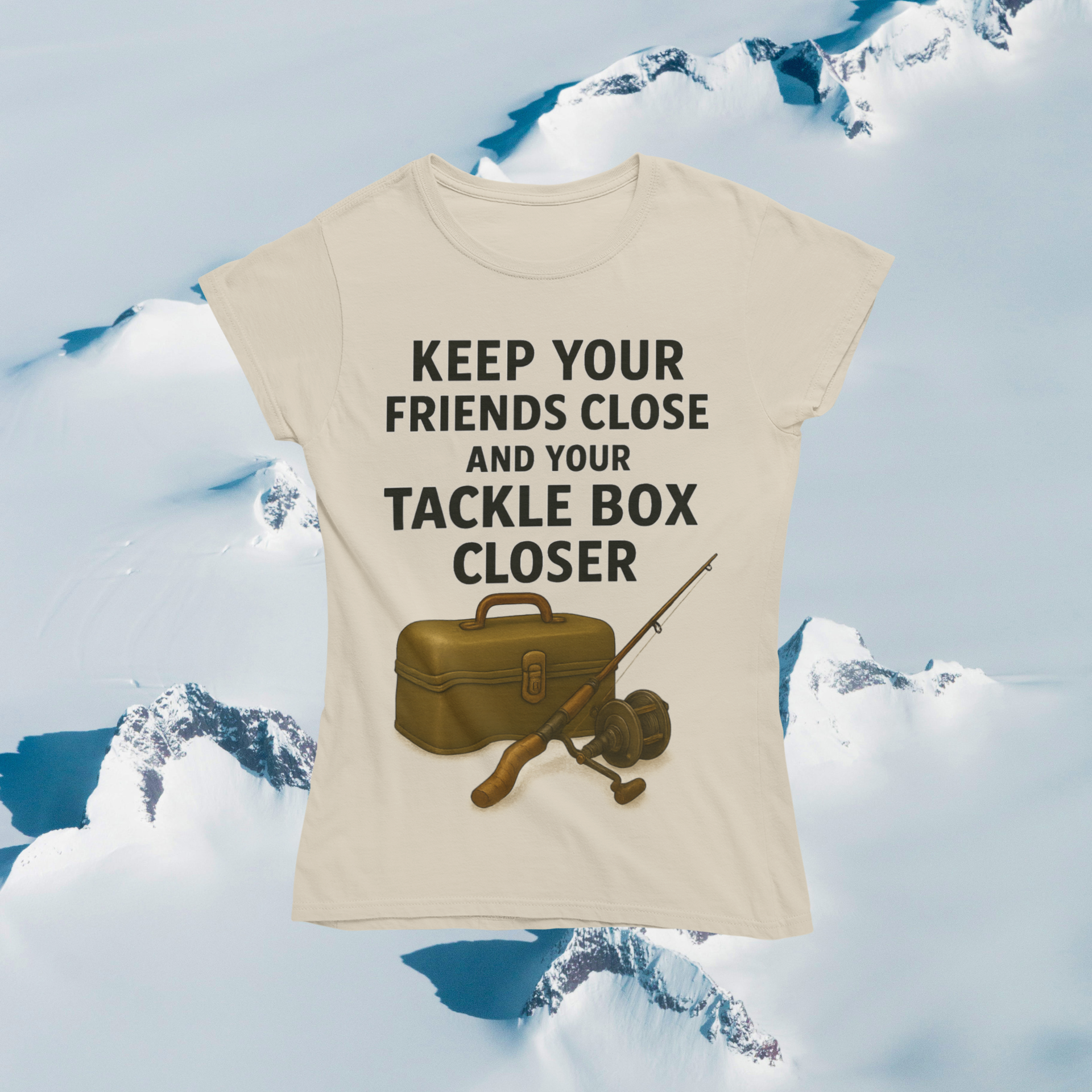
Shrinkage doesn't have to be a gamble. Choose the right fabric, wash cold, and air-dry, and your graphic tee keeps both its fit and its print. At AK-GAL DESIGNS, every tee is made to order with bold, authentic frontier designs, fast shipping, and secure checkout.
Frequently Asked Questions
Do custom graphic tees shrink after washing?
They can, but how much depends on the fabric. A 100% cotton tee is more likely to change size after a hot wash and hot dry, while polyester and cotton-polyester blends hold their fit better. Cold-water laundering limits the change. Check the care label before the first wash.
Will shrinking a shirt ruin the design?
Not automatically, but the risk is real. High dryer heat is the main threat: it can crack puff inks, distort specialty transfers, and dull colors on vintage or fragile prints. If you need to shrink a printed tee, use a controlled cold-wash and low-heat method instead of a hot dryer, and turn the garment inside out.
How much does a 100% cotton shirt shrink?
The amount of shrinkage varies by fabric and construction, and 100% cotton tees are more likely to shrink after a hot wash and hot dry than blends are.
Can I shrink a shirt that is 60% cotton and 40% polyester?
A blend generally shrinks less than a pure cotton tee, so ordering the correct size is more predictable than shrinking a blend.

Leave a comment